Click the link to view the full version: WASCZ Chinese and Sports Camp
Considering that the participants in this program were all primary school students, mainly in G2, the teachers from WASCZ Chinese Faculty decided on a curriculum design that revolved around “culture as the foundation, followed by practice in listening, speaking, reading, and writing.” They believed that the summer camp should not be as formal as regular classes and aim to foster learning through fun and engaging activities.
Chinese Character
Chinese characters are the most distinctive feature of the Chinese language and the most significant difference between it and alphabetic writing systems like the Roman alphabet in English. Therefore, the students’ first encounter in the program was with Chinese characters. The teachers shared the origin of Chinese characters, introduced oracle bone script and pictographic characters, and reinforced their knowledge through activities such as Chinese character games and calligraphy experiences.
Dress Culture
The teachers introduced the clothing styles of various dynasties to the students and encouraged them to design their own costumes using paper, snake skin bags, and various fabrics. They even organized a splendid Hanfu fashion show during the celebration of the park event.
During the fashion show, two G5 students with excellent Chinese language skills acted as narrators and provided commentary.
Tea Culture
The students learned about various famous Chinese teas and diligently practiced the art of preparing tea, following the techniques used during the Song Dynasty. When the students served tea to their parents, their parents were deeply touched by the gesture and effort put in by their children.
Rhythm and Music
The poem “对韵歌” (“Duì Yùn Gē”) that sounds melodious and resonant when recited with a quick rhythm. By learning this poem, the students not only enhanced their literacy but also began to appreciate the phonetic rhythm of the Chinese language.
In addition to that, the students also learned the classic song “送别” (“Sòng Bié”) by the renowned Chinese modern art master, Li Shutong. The lyrics of “送别” resemble the structure of traditional Chinese poetry, with a combination of elegant classical expressions and straightforward colloquial language, making it very suitable for Chinese beginners to learn.
Using this piece as a guide, the students learned to play the Chinese classical instrument “陶笛” (“táo dí”) (a type of flute) and practised singing in chorus.
Classic Literature
Over the course of two weeks, the teachers led the students in reading “Journey to the West,” and they specifically rehearsed a play based on the exciting chapter “三打白骨精” (“San Da Bai Gu Jing”). Their performance received high praise.
To help the children understand the story, the teachers introduced them to shadow puppetry. Inspired by the lively and vivid shadow puppets, the students often found their own creativity ignited, expressing their own unique interpretations beyond the original storyline.
Traditional Opera
The students had a wonderful time experiencing the freedom and joy of being artists through various art and craft activities centered around traditional Chinese culture. They engaged in the delicate art of “掐丝珐琅” (qiā sī fà láng”) (enamel cloisonné), learned to make traditional Changzhou-style “拈花糕点” (“niān huā gāo diǎn”) (flower-shaped pastry), and explored the creativity in crafting oil-paper umbrellas, folding fans, and palace lanterns, among other traditional handcrafts.
An especially noteworthy experience was when the intangible cultural heritage inheritor of “拈花糕点” (“niān huā gāo diǎn”) visited the class to teach the students. The students were utterly captivated, and under his guidance, they skillfully shaped lifelike little goldfish with their nimble hands.
Study Trip
The teachers took the students on immersive cultural trips to Suzhou’s Gardens, a town known for Su embroidery, and the Changzhou Comb Museum. Through these visits, the students deeply experienced the charm of Chinese culture.
During their visit to the museum, the students tried their hand at painting on combs using colorful pigments. As a result, they brought back a personalized and artistic gift, carrying their unique imprints, to cherish at home.
Upon arrival, visitors first signed in using a brush on a background cloth. They could also dress up in traditional Hanfu attire in the designated area, fully immersing themselves in the experience of the past two weeks of learning and life at WASCZ.
The park celebration was filled with a variety of fun and exciting games, such as the wish tree, marbles shooting, pot-throwing, fan painting, and a drawing and guessing game. Each family accumulated points by playing games during the event, which they could then exchange for gifts at the redemption booth.
Sports
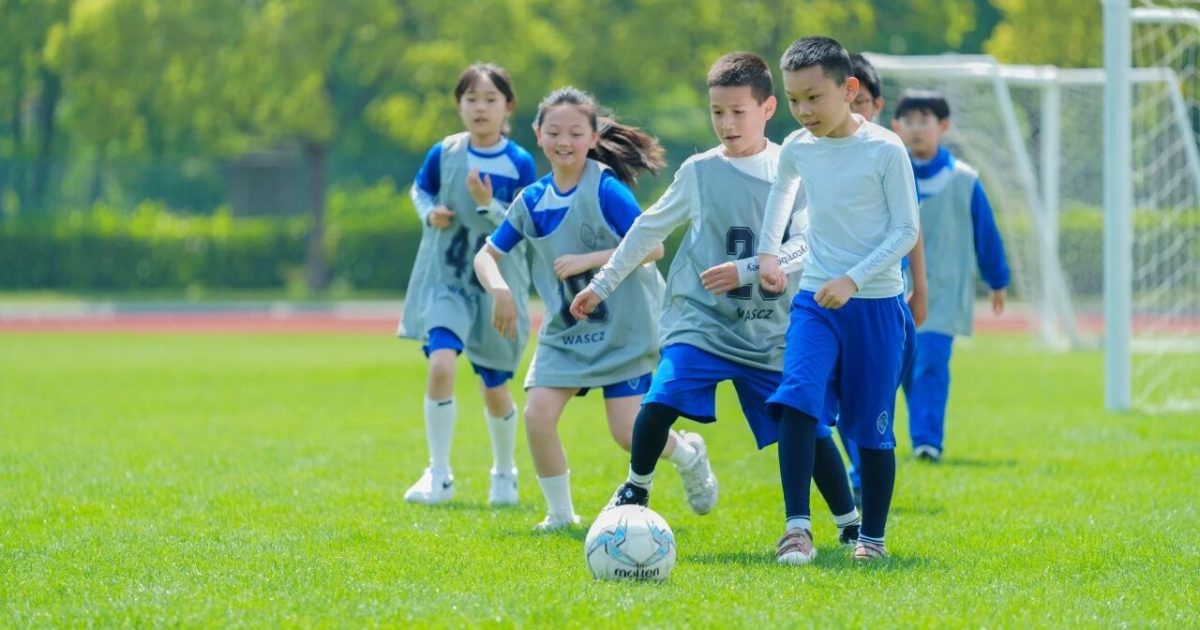
The Chinese and Sports camp was arranged with three sessions of Chinese classes and one session of sports activities every day, providing a balance between study and physical activity.
To avoid the scorching summer sun, the students often chose to have an exhilarating game of hockey in the inflatable dome or engage in a thrilling pool battle at the water sports centre.
Leaving home at such a young age, going to a distant place, and living independently for two weeks requires commendable courage. We believe that every student has gained a lot from this experience.
In fact, the teachers at WASCZ had prepared even more exciting activities, but due to the limited time of two weeks, not all of them could be presented to the students. We look forward to seeing more children next year and sharing more wonderful experiences with them!
More News