Click the link to view the full version: WASCZ | Empowering the Journey to Upper School
What Changes Are Students Undergoing During the Transition to Upper School?
Students about to enter upper school stage are no longer afraid of the changes in their learning environment or daily routines. Instead, they face a comprehensive challenge involving the structure of their learning, thinking patterns, and self-awareness. “For students at this stage, the biggest challenge lies in balancing the accelerated pace of their studies, extracurricular activities, and personal life, while learning to manage their time effectively,” summarises Mr Fosu, Executive Head of WASCZ Upper School.
First, the academic structure undergoes a significant shift–not only an increase in the number of subjects but also a substantial rise in depth and specialisation. “At WASCZ, the teaching approach in the upper school is more stimulating, incorporating more discussions, problem-solving, and independent research, with a focus on concept-driven and inquiry-based learning,” Mr Fosu emphasises. This shift in teaching methodology means a transition from “passive acceptance” to “active construction” of knowledge. Students are required to take charge of their learning, develop skills in planning, reflection, and integration, and lay the foundation for their IGCSE and A Level studies.
At the same time, this stage is often seen as the onset of adolescence, when children experience a series of physical and psychological changes. For instance, they suddenly grow taller, their thinking becomes more active, and their emotions become more complex. They begin to seek respect and understanding and start learning how to handle more intricate interpersonal relationships and manage their emotions.
These changes are both an inevitable part of growing up and a call for more thoughtful guidance and support.
Our Support System: Ensuring No Student Gets Left Behind
At WASCZ, we have built a comprehensive support system that spans academics, psychology, and daily life, ensuring that each child can confidently embrace the next stage of their growth within a warm and supportive environment.
Academic Transition
“Academically, through our proactive academic bridging courses, we help students familiarise themselves with the learning methods and subject-specific thinking required in upper school, such as note-taking, revision strategies, and core skills in various disciplines. Additionally, in designing these bridging courses, WASCZ’s Lower and Upper School teaching teams collaborate closely to ensure continuity in course structure and alignment of learning objectives,” shares Mr Fosu.
For example, Grade 6 students participate in themed unit courses every Saturday morning, covering subjects like English, Business, and Science. Each unit typically concludes with a project presentation. This process not only helps students hone their ability to apply knowledge comprehensively but also builds their enthusiasm and confidence in academic development as they transition into upper school stage.
Psychological and Social Support
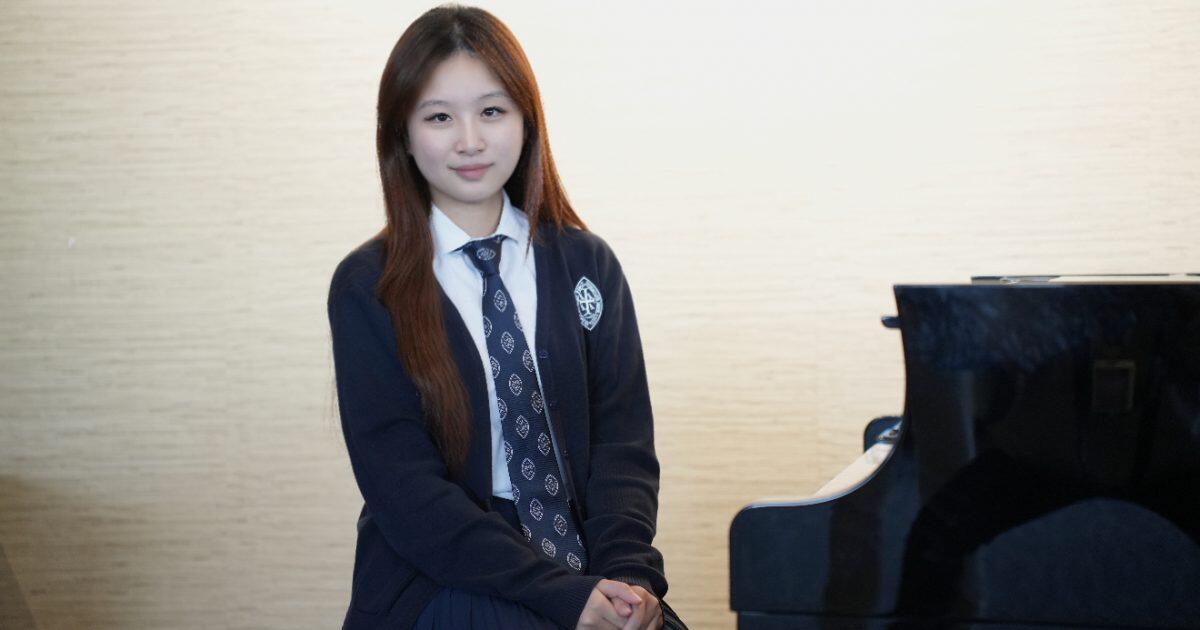
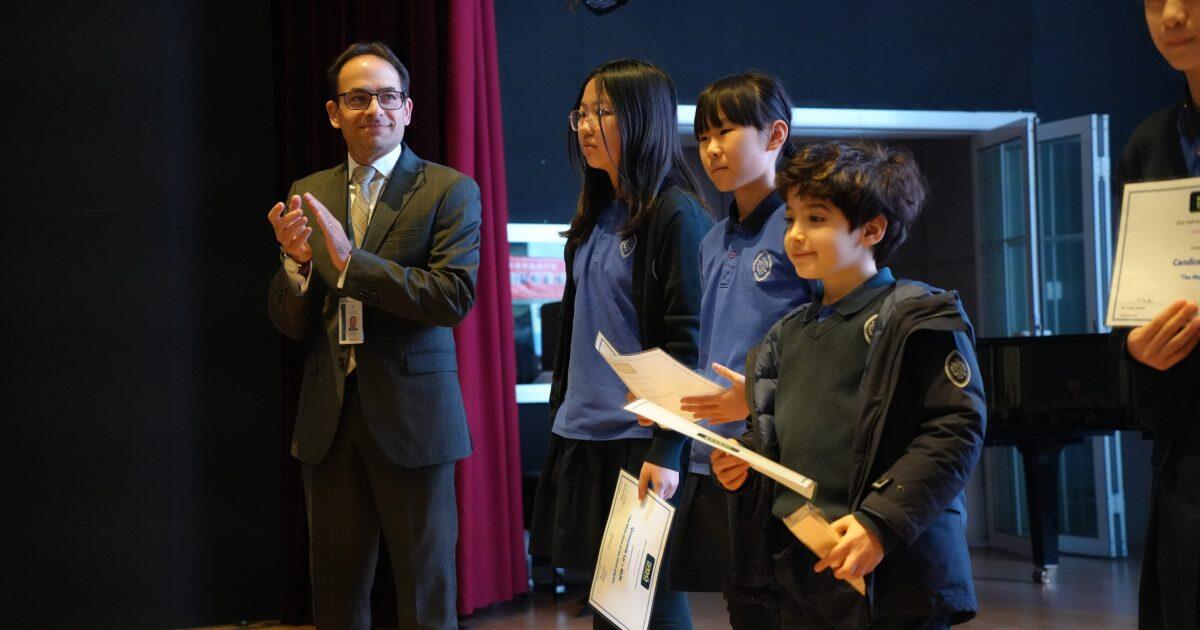
In terms of psychological and social support, every student is assigned a dedicated Form Tutor who closely monitors their academic progress, mental health, and adjustment. Students also engage in more mixed-age group activities and receive guidance from senior peers. For instance, encouraging them to perform alongside senior students or take part in sports projects helps students experience the power of role models, build a sense of belonging, and develop healthy peer relationships and social skills.
Boarding Life
Paving a Continuous Path for Future Growth
A solid transition to upper school is often built upon the strong foundation laid throughout the lower school years. “At WASCZ lower school, we focus on developing children’s critical thinking and communication skills, collaborative mindset, and project-based learning experiences, all while gradually building their confidence through discussions, presentations, and exploration,”explains Ms Hany, Executive Head of the Lower School. These qualities are key to helping students confidently engage and stand out when they enter upper school classrooms.
As students move into upper school stage, we build upon these foundations, further deepening and expanding their skills. This includes fostering independent thinking and academic inquiry, establishing self-management and responsibility, as well as cultivating leadership, social participation, global awareness, and civic responsibility. At this stage, the development of skills and character is not a “fresh start” but rather a continuous growth process.
“In this golden period of growth, a well-supported transition to upper school not only prepares students to meet the academic demands of the upper school and beyond but also lays the groundwork for developing psychological resilience, clarifying their strengths, and defining their future direction,” says Mr Fosu. The impact of this will extend far beyond this stage, shaping their long-term development and providing them with the inner drive to continue progressing. This is the vibrant manifestation of WASCZ’s commitment to holistic education.
Are Families Ready for the Next Chapter?
–This is the heartfelt wish of Ms Hany.
More News